Why Choose Us
Do you sometimes lose yourself in the rhythm of everyday life? Between work, family, and everything that keeps you busy?
Do the days start to feel a little grey, your energy runs low, and you long for a new perspective or a meaningful challenge?
Or have you been to Tanzania before and still feel that quiet pull? The warmth, the rhythm, the wisdom of Africa that stays with you long after you ve left?
Then you are in exactly the right place.
At SasaNdioSasa, we create journeys that reconnect you, with yourself, with others, and with the world around you.
Our founder and visionary Simone is since 2012 experiencing Tanzania. During this time, she built strong relationships with local partners, guides, and communities. Connections that allow SasaNdioSasa to design journeys that are sustainable, authentic, and safe. She also walked through many highs and lows and has learned, again and again, how Tanzania, through its culture, its nature, and its quiet strength, continues to guide and ground.
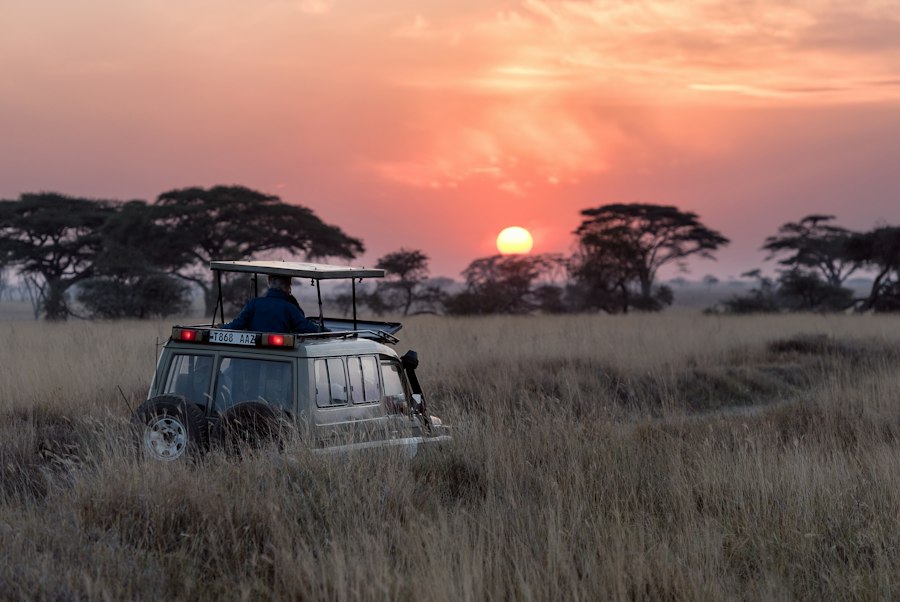
SasaNdioSasa offers safaris, retreats, and inner journeys that go beyond travel. Each experience is created with care. Sustainable, mindful, and deeply human. It's not about escaping life, but about meeting it more fully. In nature, in conversation, and in moments that quietly shift how you see yourself and the world.
SasaNdioSasa means Your Time is Now. And every journey we create begins right there.
Seasonal Advice
There is no wrong season to visit Tanzania. Each time of year carries its own rhythm, light, and feeling. Some months invite movement, others reflection. Some bring clarity, others depth. Its less about choosing the "best" moment, and more about discovering what kind of journey you are ready for.
January – March: The Green Season
Warm, lush, and full of life. The landscapes are vibrant, the skies dramatic, and wildlife scenes come alive in color and contrast. Its a season for those who enjoy energy, renewal, and the calm of fewer travelers around.
April – May: The Quiet Months
The long rains arrive, and Tanzania slows down. Not every lodge or road is open, but those who come now experience a deep sense of authenticity. Its a beautiful time for reflection, writing, and being close to nature as it breathes and rests.
June – October: The Clear Season
Crisp air, open skies, and perfect visibility. Wildlife gathers around the remaining water sources, and this is the ideal time for classic safaris and Kilimanjaro climbs. Days are bright, nights cool, and the horizon feels endless.
November – December: The Reawakening
The short rains return, bringing freshness and new beginnings. The land feels renewed, colors deepen, and light turns golden again. Its a moment of transition. A season that gently invites you to pause, look back, and begin again.
Airline Recommendations
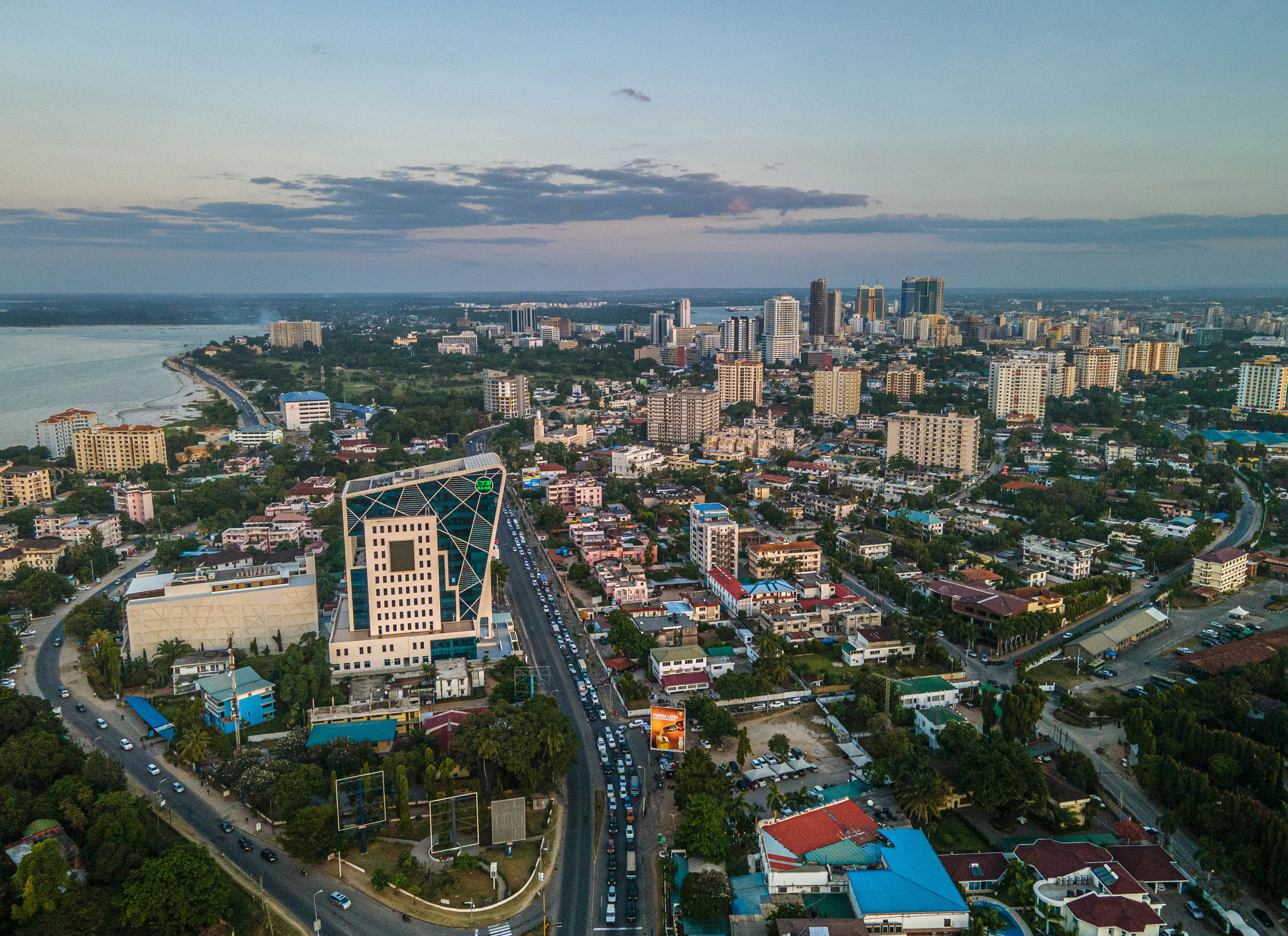
You can fly to Tanzania with all major international airlines. Most routes from Europe connect through Frankfurt, Amsterdam, Doha, Addis Ababa, or Istanbul. With the following airlines, you are in good hands. Reliable service, solid connections, and comfortable routes.

Discover Airlines
Reliable full-service airline with regular flights to East Africa via Frankfurt.

Lufthansa
Lufthansa Group carrier offering direct flights from Frankfurt to Zanzibar.

KLM Royal Dutch Airlines
Frequent connections from Amsterdam to Kilimanjaro, Dar es Salaam, and Zanzibar.

Ethiopian Airlines
Excellent Africa network via Addis Ababa with smooth onward connections to Tanzania.

Turkish Airlines
Strong global network and good service with one stop in Istanbul.

Qatar Airways
High comfort and quality service via Doha to multiple Tanzanian destinations.

Emirates
Consistent service and reliable schedules via Dubai.
For guests traveling from outside Europe, most routes connect through the same major hubs. If you would like personalized advice for your departure country, feel free to contact us directly. We are happy to help.
Travel Permit
Please apply for your visa or travel permit online via the official Tanzanian Immigration website:
Tanzania Electronic Visa Application System
visa.immigration.go.tzZanzibar Mandatory Travel Insurance
Travelling to Zanzibar? All international visitors are required to have the official Zanzibar Inbound Travel Insurance before entering the island.
The insurance is issued by Zanzibar Insurance Corporation (ZIC) and covers stays of up to 92 days. Your regular international travel insurance does not replace this mandatory cover.
We recommend arranging it online before you travel and keeping your insurance certificate with QR code ready for arrival.
Apply for your Zanzibar Travel Insurance here:
https://inbound.visitzanzibar.go.tz/Prepare Before You Apply
Make sure you have the following ready before starting your online application:
You are welcome to view the official details and guidelines:
immigration.go.tzProcessing Time
Standard processing for the online eVisa usually takes 4–7 working days. In some cases, it can take up to 10 days.
Arrival Option
You can also obtain a visa on arrival at Tanzanian airports; processing normally takes 15–60 minutes if all documents are in order. We do recommend to apply before hand and online.
Packing Lists
Pack for Safari
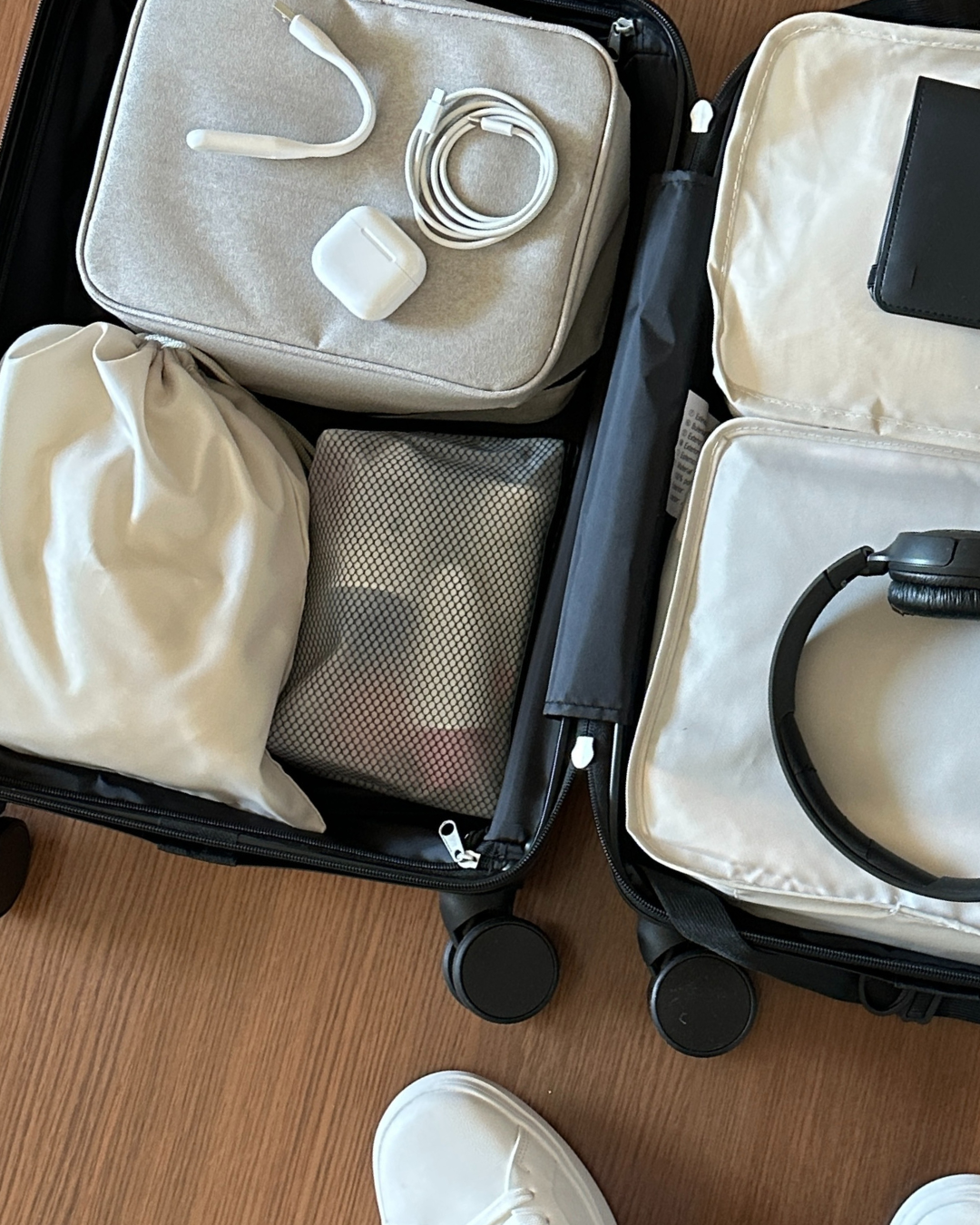
Travel light, comfortable, and with awareness. Tanzanias beauty is about simplicity. Pack for comfort, not performance.
Essentials
Electricity is available in all lodges, most powered by solar energy, and every safari vehicle has charging outlets for your phone or camera.
The sun in Tanzania has its own power. Bring a strong sunscreen (SPF 50) and treat it like part of your daily ritual.
For Your Mind & Soul
The Peaks
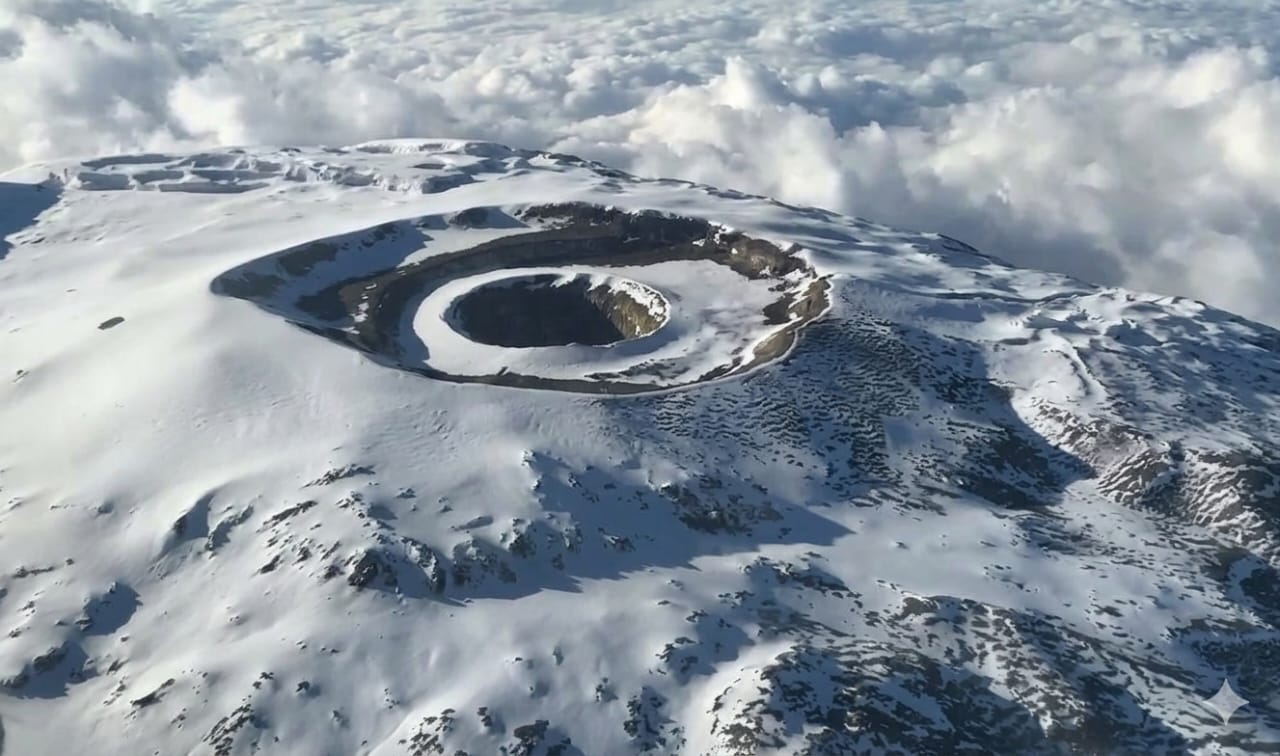
You do not need to bring everything. Most mountain gear can be rented locally, so you can travel lighter and let the climb begin with ease. Climbing Kilimanjaro or Mount Meru is not just about gear. It is about feeling prepared, layered, and light. You do not need to look like a professional climber, but a few right pieces will make the journey smoother and more comfortable.
Clothing
Gear
Mindset
Respect the mountain. Listen to your guide, pace yourself, and drink plenty of water. Remember: every step counts. It's not a race. The mountain teaches patience, rhythm, and breath. Once your journey is confirmed, you will receive a personalized packing list with tailored advice for your specific route, season, and comfort level.
Dos and Don'ts
Travel Smart, Travel Safe